Clip Art Bear: Cute Vector Illustration Review
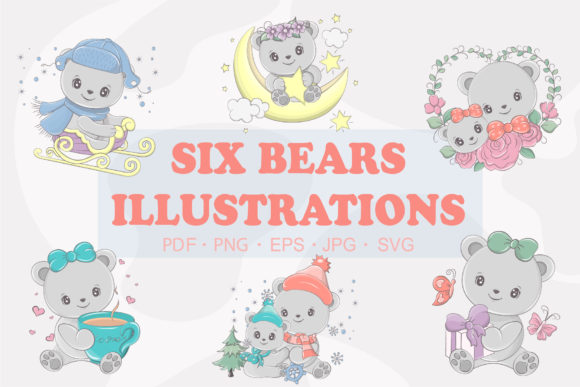
As a designer who has spent years translating digital art into tangible thread, I approach every new asset with a critical eye. When I first opened the file for Clip Art Bear, Cute Vector Illustration, my immediate thought was about its potential on a child's winter sweatshirt. The description promises "funny bears" and "friendly cartoon guys," but in the world of machine embroidery, charm must survive the translation from pixel to stitch. This set features bears in various poses, including one sledding in a winter hat, which immediately suggests a seasonal application. However, before I recommend this to my clients or use it for my own craft business, I need to evaluate how these cute vector illustrations hold up under the scrutiny of a real embroidery project.
First Impressions: Mood and Visual Personality
The visual personality of Clip Art Bear, Cute Vector Illustration is undeniably cheerful. The lines are clean, and the shapes are simplified enough to suggest they will not require an excessive number of jumps or complex underlay strategies. For an Etsy seller or a small shop owner looking to add a touch of whimsy to their inventory, the mood is perfect. It feels like a design that belongs on nursery decor, holiday gifts, or personalized baby items. The bear sledding in a winter hat is particularly evocative; it tells a story without needing words. In the realm of Graphics and Illustrations, simplicity often wins, and these designs seem to lean heavily into that philosophy.
However, the "cute" factor can sometimes be a trap. If the details are too fine, they may disappear when stitched at a small scale. My initial assessment is that the bold outlines work well for fill stitch, but I need to verify if the facial features remain distinct after digitization. A successful machine embroidery design relies on clarity, and while the vector source looks great on a screen, the finished product depends entirely on how the software interprets those curves.
Real-World Application: From File to Fabric
Let's imagine a specific scenario: a local boutique wants to create a limited run of embroidered tote bags featuring these bears for the upcoming winter season. Using Clip Art Bear, Cute Vector Illustration here would be a strategic move. Tote bags offer a large, flat canvas, which is ideal for medium-sized hoop sizes. The playful nature of the bears fits the casual aesthetic of a tote bag perfectly. If we were to place the sledding bear on a heavy cotton canvas, the fill stitch would likely sit well, provided the stitch density is balanced.
Consider another use case: a custom apparel order for a family reunion where each member gets a sweatshirt with a different pose from the set. This is where the versatility of the "different poses and actions" mentioned in the product description shines. You could create a cohesive collection without the designs feeling repetitive. For sweatshirt embroidery, the texture of the fleece might absorb some of the finer details, so selecting the larger, bolder poses from the set would be wise. The cheerful mood of the bears would translate beautifully into a personalized gift, adding a layer of warmth that a simple print cannot achieve.
For those running a craft business focused on baby items, these designs are gold. A onesie with a tiny bear in a winter hat is a classic holiday embroidery item. Parents love unique, handmade touches. However, when working with delicate fabrics for babies, you must be cautious. The thread colors should be soft and non-abrasive, and the backing stabilizer must be strong enough to prevent puckering without making the fabric stiff.
Navigating Challenges: Where Caution is Needed
While the potential is high, there are scenarios where Clip Art Bear, Cute Vector Illustration requires careful handling. If you attempt to use these designs on a curved surface like a baseball cap, the geometry of the bear's face could distort. The "winter hat" detail on the sledding bear, for instance, might lose its definition if the cap's brim interferes with the hoop placement. Always test the design on scrap fabric first, especially when dealing with textured fabrics or stretchy materials.
Small hoop sizes present another challenge. If you are trying to fit the entire set onto a 4x4 inch hoop for a patch, you risk overcrowding the stitches. The running stitch used for outlining might become too dense, leading to thread breakage or fabric distortion. It is crucial to check the hoop size requirements against your intended product. If the design is too detailed for a small area, consider using just the head of the bear or a simplified version for embroidered patches.
Dark fabrics also demand attention. The cheerful, light-colored tones of these cartoon bears might get lost on a black hoodie unless you use a significant amount of underlay or a contrasting thread color. Before committing to a full production run, create a printable mockup in black and white to see if the contrast holds up. This step is vital for maintaining product value and ensuring customer satisfaction.
Designer Notes for Professional Results
To ensure your finished product meets professional standards, follow these practical steps when working with this digital embroidery file:
- Test Stitch Density: Run a test on a piece of fabric similar to your final project. Check if the fill stitch is too tight, which can cause puckering, or too loose, which leaves gaps.
- Select the Right Stabilizer: For heavier items like sweatshirts or tote bags, a cutaway stabilizer provides the necessary support. For lighter baby clothes, a tear-away or water-soluble option is better.
- Review Thread Colors: Ensure the palette matches your brand or the client's vision. Sometimes, adjusting the hue slightly in the machine settings can make the design pop more effectively.
- Check Licensing: As a commercial embroidery user, always confirm the licensing terms. Can you sell the finished items? Can you resell the design assets? Understanding these rules protects your small shop product line from legal issues.
- Inspect Small Details: Zoom in on the eyes and paws. These areas often require satin stitch for crispness. If the digitization converts them to fill stitch by mistake, the character loses its expression.
Final Verdict: A Versatile Asset for Makers
In conclusion, Clip Art Bear, Cute Vector Illustration offers a delightful opportunity for designers and makers to inject joy into their projects. The friendly, cartoon style is timeless and appeals to a wide audience, from parents buying baby embroidery to adults looking for fun custom apparel. While it requires careful consideration regarding fabric type, hoop size, and stitch density, the rewards are worth the effort.
When executed correctly, these bears transform ordinary items into memorable handmade products. They enhance brand consistency for boutiques and add a personal touch to personalized gifts. Whether you are creating a single item for a friend or launching a line of Etsy listings, this design set has the potential to drive buyer engagement through its charming visual appeal. Just remember to test, adjust, and respect the limitations of your materials. With the right preparation, these funny bears will surely please your customers with their cheerful mood, just as the description promises.