Difficult: A Real-World Embroidery Design Review
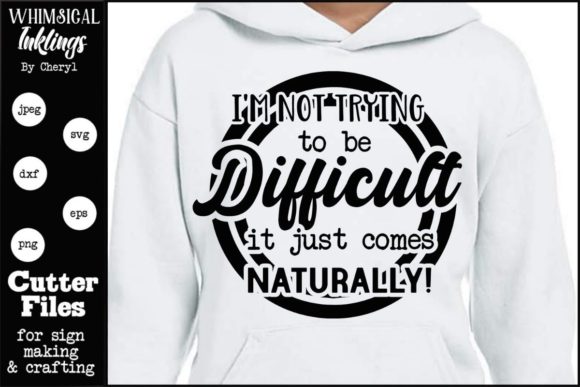
As a designer who has spent years navigating the gap between digital mockups and physical stitched products, I approach every new machine embroidery design with a critical eye. The latest addition to my library, titled Difficult, immediately caught my attention not just for its bold typography, but for the attitude it projects. The quote reads, "I m not trying to be difficult, it just comes naturally." It is a witty, self-aware statement that resonates deeply with anyone who has ever managed a chaotic schedule or navigated a stubborn project. But does this Graphics file translate well from the screen to the fabric? Let's dive into how this design performs in actual production scenarios.
First Impressions: Visual Weight and Personality
When I first opened the embroidery file on my digitizing software, the layout felt balanced yet assertive. Unlike many designs in the Illustrations category that rely heavily on complex imagery, Difficult leans into strong lettering and clean lines. This minimalism is actually a strength for commercial use. It suggests that the design will hold up well even when scaled down for smaller items like caps or keychains, provided the stitch count is optimized. The visual personality is playful but professional enough to work on a boutique sweatshirt or a personalized tote bag without looking childish.
The mood created by the text is one of confident humor. In the world of custom apparel, customers are increasingly looking for pieces that express their personality. A design that says "it just comes naturally" feels authentic. However, the success of this piece relies entirely on execution. If the stitch density is too high, the text could pucker; if it is too low, the edges might look frayed. As a reviewer, I am always checking how the fill stitch interacts with the satin stitch borders to ensure crisp readability.
Testing the Waters: A Real-Life Project Scenario
To truly evaluate Difficult, I imagined a specific client request: a small batch of embroidered patches for a local craft fair. My client wanted something relatable for her line of handmade tote bags and aprons. She needed a design that would pop against dark fabrics but remain legible on lighter backgrounds. I loaded the digital embroidery file onto my machine and ran a test on a scrap piece of heavy cotton canvas, mimicking the texture of a durable tote bag.
The result was promising. The letters held their shape well, and the spacing between words allowed the running stitch details to breathe. When I switched to a polyester blend to simulate a hoodie, I had to adjust my stabilizer choice. Because the fabric was slightly stretchy, I used a tear-away stabilizer to prevent the hoop from distorting the design during stitching. The final finished product looked sharp. The phrase "I m not trying to be difficult" sat comfortably on the chest pocket area of a mockup sweatshirt, proving that this design works well as a focal point for sweatshirt embroidery.
This scenario highlighted a crucial aspect of selling handmade products: versatility. Whether you are an Etsy seller creating one-off gifts or a small shop owner stocking inventory, the ability to adapt a design to various substrates is key. Difficult seems to offer that flexibility, making it a solid asset for a craft business portfolio.
Navigating Challenges: Where Caution Is Needed
Despite its strengths, no design is universally perfect. There are specific situations where Difficult requires extra care. For instance, if you plan to use this on very thin fabrics like silk scarves or lightweight baby clothes, the weight of the thread could cause puckering. In such cases, using a cutaway stabilizer is non-negotiable. Additionally, while the design looks great in large formats, shrinking it down for a tiny button or a small corner logo might compromise the legibility of the smaller words in the quote.
Another consideration is the hoop size. If your machine only accommodates a 4x4 inch hoop, you may need to split the design or re-digitize parts of it to fit without losing quality. Text-heavy designs can sometimes suffer if forced into a space that is too tight, leading to overlapping stitches or distorted letters. Always check the dimensions before committing to a commercial embroidery run. Furthermore, on textured fabrics like terry cloth towels or knitted beanies, the uneven surface can affect how the thread colors reflect light. Testing on a sample of the actual fabric is essential to ensure the contrast remains high and the message is clear.
Maximizing Value for Your Brand
For creative entrepreneurs, the value of a design lies in its ability to drive sales and build brand recognition. Difficult offers a unique opportunity to connect with customers who appreciate wit and honesty. By incorporating this embroidered patch style design into your product line, you elevate the perceived value of your items. A simple t-shirt becomes a conversation starter; a plain mug transforms into a memorable gift.
However, consistency is vital. If you are building a cohesive brand, ensure that the font style and color palette of Difficult align with your existing design assets. Using mismatched styles can dilute your brand identity. I recommend creating printable mockups in both black and white to see how the design stands out without relying solely on color. This helps in assessing the true impact of the layout and ensures that your personalized gift options appeal to a wide audience.
Practical Designer Notes for Success
- Test First: Always run a test on scrap fabric before starting your main embroidery project. This saves time and materials if adjustments are needed.
- Check Contrast: Ensure the thread colors provide enough contrast against your chosen fabric. Dark threads on dark fabrics often require a backing layer or applique technique.
- Stabilizer Matters: Do not skimp on stabilizers, especially for stretchy or textured materials. A good foundation prevents distortion.
- Licensing Check: Before selling finished items or the digital embroidery file itself, confirm the licensing terms. Ensure you have the right to use Difficult for commercial embroidery purposes.
- Mockup Variety: Create mockups showing the design on different products like hats, pillows, and bags to help customers visualize the possibilities.
In conclusion, Difficult is more than just a funny quote; it is a versatile tool for designers willing to put in the effort to execute it correctly. With proper planning and attention to detail, this machine embroidery design can become a standout piece in your collection, appealing to hobbyists and professionals alike. Whether you are crafting a holiday gift or launching a new line of custom apparel, this design brings a touch of personality that customers will love.