Do Not Pet the Fluffy Cows T-Shirt Review
As a designer who has spent years navigating the intersection of digital art and physical thread, I approach every new asset with a critical eye. The market is flooded with generic Graphics that look fine on a screen but fall apart under the needle. When I first opened the file for Do Not Pet the Fluffy Cows T-Shirt, my initial reaction was one of amusement followed by immediate technical assessment. This design leans heavily into the sarcastic, gag-gift aesthetic that performs exceptionally well in the current handmade market. However, before committing to a production run or listing it as a premium handmade product, one must understand how this specific layout translates from a high-resolution PNG to a stitched reality.
The Visual Impact and Design Personality
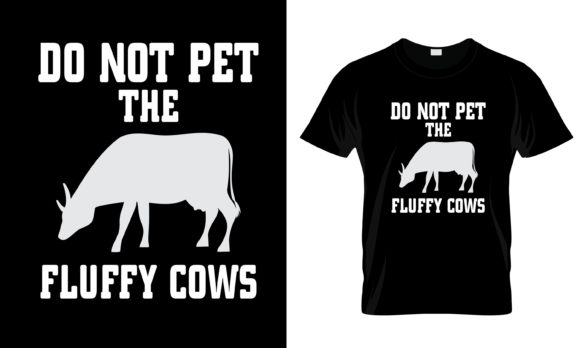
The core appeal of Do Not Pet the Fluffy Cows T-Shirt lies in its bold, humorous statement. Visually, the design features a playful arrangement of text and imagery that screams "fun" without being overly cluttered. For an Etsy seller or a boutique owner looking to add personality to their inventory, this kind of design fills a specific niche: the customer who wants to make a statement without trying too hard. The typography is thick and legible, which is crucial when converting a machine embroidery design from a vector format like SVG or EPS.
However, the "fluffy" aspect of the cows presents a unique challenge. In digital Print Templates, fluffy textures are often rendered with soft gradients or complex line work. In embroidery, we cannot rely on pixel-perfect gradients. We must simulate texture through stitch direction and density. If the source file relies too heavily on intricate shading to define the fur, you risk creating a muddy mess where the fill stitch becomes too dense, causing puckering on lighter fabrics. As a reviewer, I see potential here, but only if the digitizer has simplified the fur details into distinct, manageable shapes that allow the thread to breathe.
Real-World Application: From File to Fabric
Let's imagine a real scenario. You are preparing a batch of custom tote bag designs for a local craft fair. You want something that stands out against the sea of floral patterns and minimalist quotes. You choose Do Not Pet the Fluffy Cows T-Shirt for its wit. You load the file onto your machine, securing a sturdy canvas tote with a cutaway stabilizer.
As the machine begins to stitch, the first thing you notice is the hoop size requirement. Because the design includes both text and a graphical element, it likely demands a medium to large hoop (perhaps 5x7 or 6x10 inches). If you attempt to shrink this down for a small cap or a baby onesie, the stitch density will become problematic. The lettering may lose its crispness, and the cow illustrations could merge into a single blob of thread. This is a common pitfall for small shop products; just because a design fits the dimensions doesn't mean it retains its quality at a smaller scale.
For sweatshirt embroidery, this design shines. The heavier fabric of a fleece sweatshirt can handle the weight of the thread better than a thin cotton tee. The contrast between the dark fabric and bright thread colors makes the sarcasm pop. Imagine a navy blue crewneck with white and yellow stitching; the visual impact is immediate. Customers love this kind of personalized gift because it feels unique yet relatable. It transforms a basic garment into a conversation starter, increasing the perceived value of your finished item significantly.
Navigating Technical Challenges
Despite its charm, Do Not Pet the Fluffy Cows T-Shirt requires careful handling in certain contexts. One area of concern is the use of applique design techniques versus standard fill. If the original embroidery file attempts to use satin stitches for the entire outline of the cows, you might encounter issues on textured fabrics like denim or canvas. Satin stitches can sink into the weave, making the edges look jagged. A mix of satin for outlines and fill for the body usually yields the best results, but you must check the file settings before starting.
Another consideration is the running stitch used for any fine details in the cows' faces or hooves. On stretchy fabrics, such as jersey knit t-shirts, these fine lines can distort during washing. If you plan to sell this as a custom apparel item, advise your customers to wash inside out and hang dry. Alternatively, test the design on scrap fabric first to ensure the tension holds up after a few cycles. Nothing damages a craft business reputation faster than a design that unravels or pucks after the first wash.
Strategic Use for Commercial Projects
For those selling digital embroidery files or offering commercial embroidery services, understanding the versatility of this asset is key. While the description highlights it as a t-shirt design, its application extends further. Consider using it for holiday embroidery projects, perhaps on kitchen towels or aprons. The farm theme works surprisingly well for autumn and winter markets. The humor translates across different mediums, making it a valuable addition to your library of design assets.
However, always verify the licensing terms. Just because you have the SVG, EPS, and PNG files does not automatically grant you commercial rights to resell the design itself. You can usually sell the finished goods—like the embroidered patch or the decorated shirt—but selling the digital file to other embroiderers is a different legal matter. Always confirm the license before launching a small shop product line based on someone else's artwork.
Practical Designer Notes for Success
- Test First: Never skip the test run on scrap fabric. Check for puckering, especially around the text areas.
- Stabilizer Matters: Use a tear-away stabilizer for stable fabrics like denim, but opt for a cutaway for stretchy knits to maintain shape.
- Color Contrast: Ensure the thread colors chosen offer high contrast against the base fabric. Dark threads on dark fabric will kill the joke.
- Mockup Wisely: Create a printable mockup to visualize the final product. This helps in setting realistic expectations for clients or online buyers.
- Scale Appropriately: Do not force this design into a tiny hoop. Respect the minimum size required for the details to remain legible.
In conclusion, Do Not Pet the Fluffy Cows T-Shirt is a strong contender for anyone looking to inject humor into their portfolio. It bridges the gap between simple Graphics and functional machine embroidery design effectively, provided you respect the limitations of the medium. Whether you are crafting a holiday gift for a friend or stocking your online store with witty merchandise, this design offers a solid foundation. With proper preparation, attention to stitch density, and thoughtful fabric selection, it can become a standout piece in your collection of finished product offerings. The key is to treat the digital file not just as an image, but as a blueprint for a tactile experience that customers will want to touch, wear, and share.