Little Cat Face: A Designer's Embroidery Review
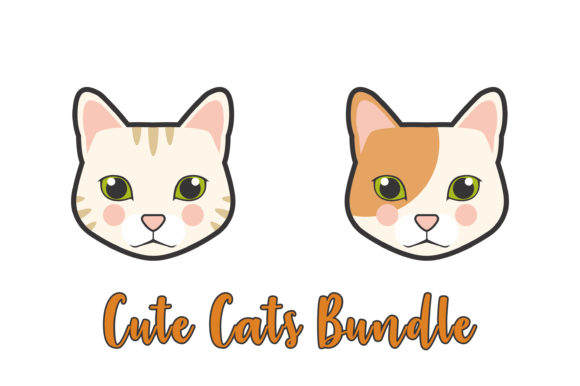
When I first pulled up the Little Cat Face graphic on my screen, the immediate reaction was a smile. There is something inherently disarming about a simple, fluffy white cat face rendered in vector form. As someone who spends hours evaluating machine embroidery designs for both personal craft projects and client work, I know that not every cute illustration translates well into thread. However, this specific design strikes a balance between simplicity and character that makes it a strong contender for a variety of embroidery projects.
The description highlights "simple colors" and a "unique and funny" vibe. In the world of digital Graphics, this often means clean lines and minimal shading, which is exactly what we want to see when converting a flat image into a stitchable file. The challenge with Illustrations like this is ensuring that the "fluffy" texture doesn't get lost in translation. If the design relies too heavily on tiny details to convey fur, the final result might look muddy or pixelated once stitched. Fortunately, the layout appears robust enough to handle the conversion process without losing its personality.
From Screen to Fabric: A Real-World Scenario
To truly understand the potential of Little Cat Face, let’s walk through a realistic scenario. Imagine you are an Etsy seller preparing a new line of custom tote bags for the upcoming holiday season. You need a design that feels cozy, approachable, and instantly recognizable. You decide to test Little Cat Face on a sturdy canvas tote bag using a medium hoop size.
In this context, the design shines. The white fur of the cat provides a natural contrast against the earthy tones of canvas or denim. Because the graphic is described as having simple colors, the stitch density should remain manageable, preventing the fabric from puckering—a common issue with dense fill stitches on heavy materials. When I visualize the finished product, the cat face acts as a focal point that draws the eye immediately. It transforms a plain utility item into a statement piece. Customers looking for a personalized gift or a unique addition to their daily carry would likely appreciate the whimsical nature of the design.
Now, consider a different application: a baby onesie. This is where the "adorable" factor becomes critical. Parents are always searching for high-quality baby embroidery that is soft to the touch and visually appealing. Here, the simplicity of Little Cat Face is a major advantage. Unlike complex portraits that require hundreds of color changes and fine threads that can irritate sensitive skin, a simplified vector design allows for smoother stitching. Using a satin stitch for the outlines and a light fill stitch for the fur could create a texture that mimics fluffiness without adding bulk. This makes the design highly suitable for delicate fabrics, provided the correct stabilizer is used to prevent distortion during the washing process.
Navigating Technical Challenges and Limitations
While the potential is clear, a professional designer must also identify where caution is needed. Not every project is a perfect match for Little Cat Face. For instance, if you attempt to use this design on a curved surface like a baseball cap, you need to be mindful of the hoop size and the tension settings. Curved surfaces can cause the design to stretch slightly, potentially distorting the roundness of the cat's face. Always test the design on scrap fabric first to ensure the shape holds its integrity.
Fabric texture is another variable to consider. While the design works beautifully on smooth cottons and sturdy canvases, it might struggle on highly textured fabrics like thick wool or ribbed knits. The uneven surface can interfere with the needle penetration, leading to skipped stitches or uneven thread coverage. Similarly, if you plan to use dark fabrics, the "white fur" aspect of the design will require careful planning regarding thread colors and underlay stitches to ensure opacity and brightness.
Furthermore, while the design is labeled as a vector graphic, the actual embroidery file quality depends on how it was digitized. If the original vector has extremely thin lines for whiskers or eyes, these might disappear or break during stitching if the stitch length isn't optimized. Before committing to a large production run, inspect small details closely. Run a test in black and white mockups to check the contrast and visual weight of the elements. Ensure that the thread colors you select provide enough separation between the cat's features and the background.
Commercial Viability and Brand Consistency
For small business owners and creative entrepreneurs, the value of a design extends beyond aesthetics; it impacts brand perception and customer trust. Little Cat Face offers a versatile asset that can enhance a craft business portfolio. Its friendly, non-threatening imagery makes it ideal for boutique branding, particularly for shops focusing on home goods, nursery decor, or casual apparel.
Using this design consistently across various products—such as pillow covers, aprons, and sweatshirt embroidery—can help build a cohesive brand identity. When customers see the same charming motif on different items, it reinforces recognition and professionalism. However, it is crucial to confirm licensing terms before selling finished items or digital products. Many designers purchase files for personal use only, so verifying that you have the right to use Little Cat Face for commercial purposes is a non-negotiable step.
The design also lends itself well to creating printable mockups for online listings. High-quality images of the design on various backgrounds can significantly boost buyer engagement on platforms like Etsy. By showcasing the versatility of the design on different media, you demonstrate to potential buyers how the finished product might look in their own homes or wardrobes.
Practical Tips for the Best Results
To maximize the potential of Little Cat Face, follow these practical guidelines:
- Test on Scrap Fabric: Never skip the test run. Stitch the design on a piece of the actual fabric you intend to use to check for tension issues and color accuracy.
- Choose the Right Stabilizer: Depending on the fabric weight, use tear-away, cut-away, or water-soluble stabilizers to support the stitches and prevent puckering.
- Review Stitch Density: If the design looks too tight, reduce the density to allow the fabric to breathe, especially for stretchy materials like sweatshirts.
- Check Thread Contrast: Ensure the thread colors pop against the background. White thread on a light gray shirt might not offer enough visibility.
- Verify Licensing: Confirm whether the digital embroidery file includes a commercial license for selling physical goods or digital downloads.
- Consider Applique Options: If the design allows, consider using an applique design technique for the main body of the cat to add dimension and texture.
In conclusion, Little Cat Face is more than just a cute image; it is a functional tool for designers and makers. With its simple yet expressive style, it fits seamlessly into a wide range of applications, from custom apparel to holiday gifts. By approaching the project with careful planning and attention to technical details, you can create high-quality, marketable products that resonate with customers. Whether you are a hobbyist making personalized gifts or a professional running a small shop product line, this design offers a reliable and charming option for your next creation.