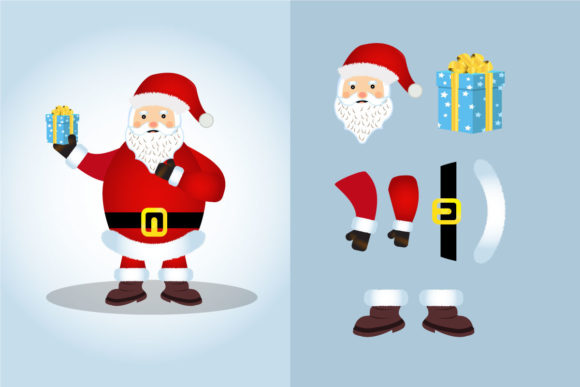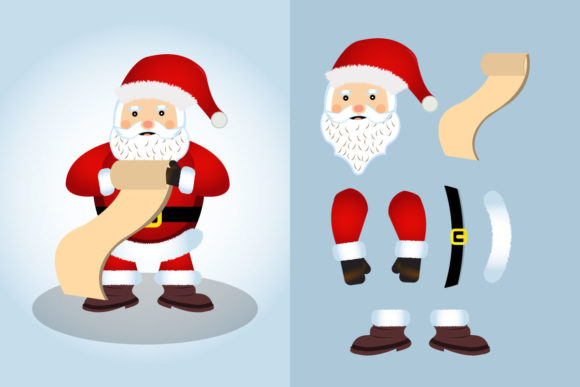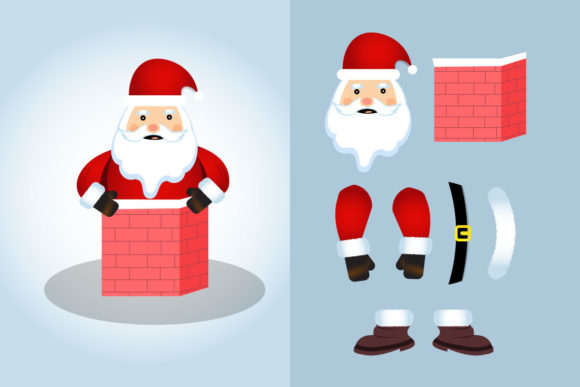
Santa Claus Trying to Get Inside Design Review
As a designer who has spent years translating digital files into tangible thread, I approach every new asset with a mix of excitement and skepticism. When I first opened the Santa Claus Trying to Get Inside Design, I wasn't just looking for a cute image; I was evaluating its potential as a commercial-grade machine embroidery design. The concept is immediate and universally understood: a fat Santa Claus humorously stuck in a chimney. It captures that classic holiday struggle that resonates with everyone from small shop owners to parents making personalized gifts. But does this vector illustration translate well into a finished product, or will it fall apart under the scrutiny of high-density stitching?
First Impressions and Visual Personality
The initial visual impact of the Santa Claus Trying to Get Inside Design is strong because it leans into character rather than complexity. The layout focuses on the physical comedy of the moment, with Santa's round form contrasting against the rigid lines of the chimney. For an embroidery project, this is promising. Designs that rely on bold shapes and clear silhouettes often stitch out cleaner than those filled with intricate line work. The mood is lighthearted and festive, making it an excellent candidate for holiday embroidery collections.
However, the "fat" description in the product details raises a practical flag. In embroidery, large, rounded areas require significant fill stitch coverage. If the stitch density isn't optimized, you risk puckering the fabric or creating a stiff, cardboard-like patch. As a reviewer, I am already planning how to test this on different materials to ensure the bulk doesn't compromise the drape of the final garment.
Real-World Application: From Hoop to Home
Let's talk about where this design actually shines. Imagine you are an Etsy seller preparing for the Q4 rush. You need items that sell themselves on a thumbnail. The Santa Claus Trying to Get Inside Design is perfect for a tote bag design or a heavy-weight sweatshirt embroidery piece. On a canvas tote, the texture of the fabric can help hide minor imperfections in the fill, while the white background of the bag allows the red and green thread colors to pop without needing excessive underlay.
I also see great potential for this as an embroidered patch. Because the scene is self-contained, it works beautifully on a backing felt or twill, which can then be sewn onto jackets, backpacks, or even denim vests. This versatility makes it a valuable asset for any craft business looking to diversify their inventory without buying new equipment. For parents, this could be a delightful addition to baby embroidery projects, perhaps on a soft onesie or a nursery pillow cover, provided the stabilizer is chosen carefully to keep the fabric breathable.
Strategic Use in Custom Apparel and Gifts
When considering custom apparel, the placement is key. The horizontal nature of Santa wedged in the chimney suggests it fits well across the chest of a hoodie or centered on a cap front. However, if you are aiming for a personalized gift like a kitchen towel or apron, you must consider the washing cycle. Holiday items often get washed frequently during the season. A design with high stitch density might crack or fade faster on thin cotton towels compared to a sturdy wool blend. Always test your digital embroidery file on a scrap of the actual fabric you intend to use.
Navigating Challenges and Fabric Limitations
While the Santa Claus Trying to Get Inside Design is charming, it is not without its technical challenges. As a professional, I advise caution when using this Graphics asset on stretchy fabrics like jersey or spandex blends. The tension required to push a dense fill stitch through elastic material can cause the design to warp or the fabric to pucker severely around the edges of Santa's body.
Similarly, curved surfaces present a hurdle. If you attempt to embroider this on a standard baseball cap, the curve of the panel might distort the straight lines of the chimney, making Santa look like he is falling rather than getting stuck. For caps, you would likely need to adjust the hoop size or use a specialized cap frame to maintain the integrity of the shape. Dark fabrics also require a solid layer of underlay to prevent the black or dark blue threads from bleeding through the bright red suit, which adds time and cost to the production process.
Details That Matter: Stitching Clarity and Value
The success of this design hinges on the clarity of the details. Does Santa have a distinct face? Are the buttons on his suit visible? If the original vector relies on tiny lines for facial features, they may disappear in the stitch-out, turning into a blurry blob. In my experience, simplifying these elements or ensuring the running stitch count is high enough is crucial for maintaining professionalism. A muddy face on a finished product can ruin customer trust and lead to negative reviews on platforms like Etsy.
Furthermore, the value of the item increases when the embroidery looks crisp. A clean, well-defined Santa Claus Trying to Get Inside Design elevates a simple sweatshirt into a boutique-quality item. Conversely, poor execution makes it look like a cheap knockoff. This is why reviewing the hoop size requirements before purchasing is non-negotiable. If the design requires a 10x10 hoop but your machine only handles 5x7, you cannot use it effectively without splitting the design, which introduces alignment risks.
Practical Designer Notes for Success
Before committing this design to a client order or a batch of inventory, follow these steps:
- Test on Scrap Fabric: Never skip the test run. Embroider the design on a piece of the exact fabric you plan to use to check for puckering and color contrast.
- Check Thread Contrast: Ensure the red and green threads stand out against the background. If using a dark fabric, verify that the white highlights are thick enough to be seen.
- Review Stitch Density: Look at the fill areas closely. If they look too tight, you may need to reduce the density settings in your software to prevent fabric distortion.
- Confirm Stabilizer Needs: For a design with this much volume, a cutaway stabilizer is usually better than tear-away to support the weight of the stitches over time.
- Inspect Small Details: Zoom in on the eyes and mouth. If they are too small, consider modifying the file to make them slightly larger for better visibility.
- Verify Licensing: Since this falls under Graphic Templates, always confirm the license terms. Can you sell the finished embroidered item? Can you resell the digital file? Understanding the rights is essential for commercial embroidery.
Final Verdict for Makers and Entrepreneurs
The Santa Claus Trying to Get Inside Design is a solid addition to any holiday collection, provided you respect its technical requirements. It offers a fun, relatable theme that appeals to a wide audience, from families looking for matching pajamas to businesses seeking seasonal merchandise. Its strength lies in its bold character and clear narrative, which translates well to medium-to-large hoop sizes on stable fabrics.
For the serious maker, this is more than just a cute picture; it is a tool to drive sales and build brand recognition. By paying attention to fabric texture, choosing the right stabilizer, and ensuring the stitch quality is high, you can turn this machine embroidery design into a best-seller. Whether you are creating a single personalized gift or a full line of small shop products, the key is preparation. Test thoroughly, mock up your ideas digitally, and let the quality of your stitching speak for itself. With the right execution, this design will bring a smile to customers' faces and a boost to your bottom line this Christmas season.