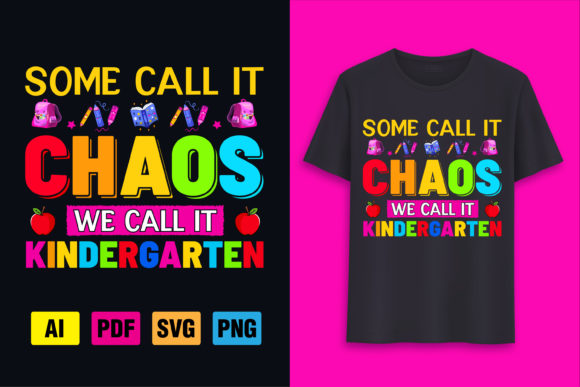
Some Call It Chaos We Call It Kindergarten
As a designer who has spent years navigating the fine line between digital art and physical thread, I approach every new asset with a critical eye. The latest piece on my desk is titled Some Call It Chaos We Call It Kindergarten. At first glance, it appears to be a standard humorous graphic for educators, but the real test lies in how it translates from a screen to a stitchable reality. For anyone running a craft business or looking to create high-quality custom apparel, understanding the practical application of this design is just as important as its visual appeal.
The First Impression: Mood and Visual Personality
When I opened the file for Some Call It Chaos We Call It Kindergarten, the immediate mood was one of relatable humor mixed with organized energy. The layout suggests a busy classroom environment, which is perfect for the target demographic of teachers and school staff. The design falls squarely into the category of T-Shirt Designs, but its versatility extends far beyond simple cotton tees. The vector nature of the graphics ensures that the lines remain crisp regardless of how much I scale them during the digitizing phase.
Visually, the piece balances text and iconography well. In embroidery, text can often become the weak link if the font is too thin or the spacing is too tight. Here, the lettering seems robust enough to handle the transition from a 300 DPI image to a machine embroidery design. However, before committing to a final product, I always run a mental simulation of how the stitch density will affect the fabric. A design that looks light on a monitor might pull heavily on a sweatshirt if the fill stitches are too dense.
Real-World Application: From Hoop to Finished Product
To truly evaluate Some Call It Chaos We Call It Kindergarten, I imagined a specific project: a custom embroidered tote bag for a teacher appreciation gift. Tote bags are a staple for small shop products and Etsy sellers because they offer a large canvas and are durable. In this scenario, the design would sit prominently on the front panel. The playful nature of the phrase makes it an instant conversation starter, adding significant value to the handmade product.
I also considered using this as a patch for a denim jacket or a cap. When converting a Graphics file into an embroidered patch, the edges need to be clean. Since this is a 100% vector design, the outlines should convert smoothly without jagged edges that could ruin the professional look of the finished item. For a sweatshirt embroidery project, the placement would likely be centered on the chest or across the back. The design's inherent humor makes it a strong candidate for holiday gifts or end-of-year presents, where personalization drives sales.
Navigating Fabric Challenges and Technical Limitations
While the design is promising, experienced designers know that not all fabrics play nice with every pattern. If you plan to use Some Call It Chaos We Call It Kindergarten on stretchy fabric like a performance tee, you must be cautious. The tension required for a complex design can cause puckering if the wrong stabilizer is used. Similarly, textured fabrics like heavy fleece or knit blankets can interfere with the clarity of smaller details.
One area requiring careful attention is the size of the hoop. If you attempt to fit this entire design into a small 4x4 hoop, you risk compromising the legibility of the text. The phrase "Some Call It Chaos We Call It Kindergarten" is long, and shrinking it too much can turn the letters into illegible blobs of thread. Always check your hoop size requirements before starting. Additionally, if you are working with dark fabric, the contrast of your thread colors becomes critical. A white outline around the text might be necessary to ensure readability against a navy or black background.
Impact on Brand Consistency and Customer Trust
For a craft business owner, consistency is key. Using a high-quality asset like Some Call It Chaos We Call It Kindergarten signals to your customers that you care about detail. A poorly stitched design with loose threads or skipped areas damages buyer engagement and trust. Conversely, a clean, well-executed machine embroidery design elevates the perceived value of your items. Whether you are selling personalized gifts at a craft fair or listing custom apparel online, the quality of the stitching directly influences your reputation.
This design works particularly well for boutique branding. Imagine a series of matching items—a mug, a pillow cover, and a tote bag—all featuring this same motif. This creates a cohesive collection that encourages customers to buy more than one item. The ability to use the same digital embroidery file across different product types allows for efficient production while maintaining a unique brand identity.
Practical Designer Notes Before You Stitch
Before you rush to hoop up your first project, there are several practical steps to take. First, always test the design on scrap fabric that matches your final material. This allows you to adjust the fill stitch and satin stitch settings without wasting expensive thread or ruining a customer order. Check the stitch density closely; sometimes a vector graphic needs manual adjustment in your embroidery software to prevent thread buildup.
Second, review the design in black and white mockups. This helps you see the contrast levels clearly without being distracted by color. Compare how the design looks on both light and dark backgrounds to ensure the message remains clear. Finally, confirm the licensing terms. While the description mentions the design can be used on various items, always verify if you have the right to sell the finished product or if there are restrictions on commercial use. Understanding these details protects your business and ensures you are operating ethically within the commercial embroidery space.
Final Thoughts on Project Viability
Some Call It Chaos We Call It Kindergarten is more than just a funny quote; it is a versatile asset for the modern maker. Its vector foundation provides the flexibility needed for various applications, from baby embroidery items to adult custom apparel. By paying attention to technical details like stabilizer choice, hoop size, and thread contrast, you can transform this digital file into a stunning physical product. Whether you are an Etsy seller looking to expand your catalog or a hobbyist creating a heartfelt gift, this design offers a solid foundation for success. Just remember, the difference between a good project and a great one often lies in the preparation and the care taken during the stitching process.