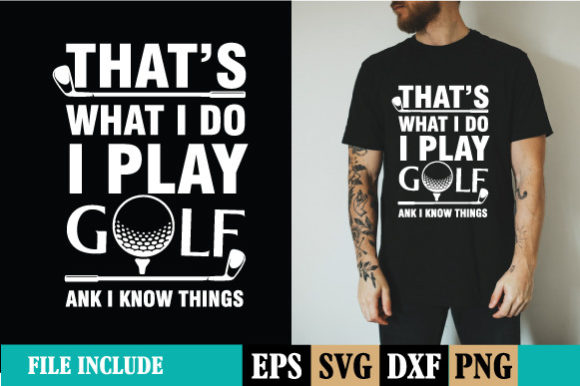
That s What I Do I Play Golf: A Designer Review
As someone who has spent years navigating the intersection of digital design and physical stitching, I approach every new machine embroidery design with a critical eye. The market is flooded with generic clip art, but finding a piece that truly translates well from a screen to a hoop requires careful evaluation. Today, I am breaking down the That s What I Do I Play Golf design. This isn't just another graphic file; it is a potential asset for your craft business, your Etsy shop, or your personal gift projects. Let's dive into how this specific embroidery file performs in the real world.
First Impressions: Visual Weight and Theme
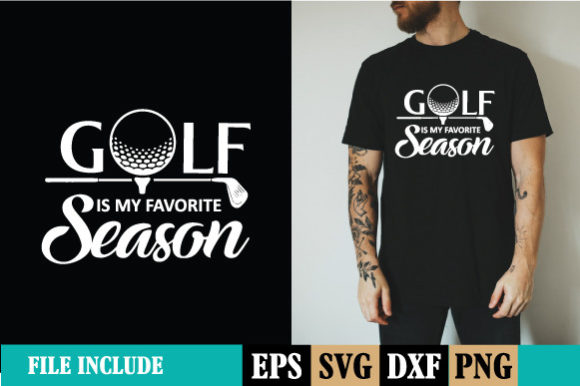
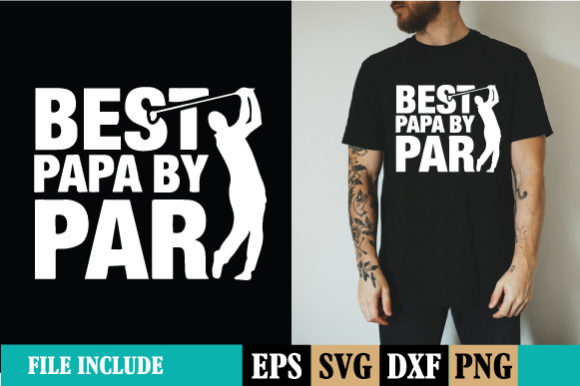
When you first open the package containing the That s What I Do I Play Golf assets, the immediate vibe is playful yet bold. The phrase itself is a classic golfing mantra, instantly recognizable to enthusiasts. From a design perspective, the layout feels balanced, avoiding the cluttered look that plagues many text-heavy designs. The typography appears sturdy, which is crucial when converting vector graphics into stitch data. Whether you are looking at the high-resolution PNG for a printable mockup or the SVG for cutting machines, the lines are clean. This clarity suggests that the final finished product will have good legibility, even from a distance.
The mood it creates is one of casual confidence. It doesn't scream "professional tournament," but rather "weekend warrior." This makes it incredibly versatile for custom apparel. Imagine this on a relaxed cotton sweatshirt or a durable canvas tote bag. The design's personality fits perfectly with items that are meant to be worn during leisure activities or given as humorous gifts. For an Etsy seller targeting golfers, this type of Graphics category item can be a strong addition to a holiday collection or a Father's Day lineup.
Real-World Application: From File to Fabric
Let's talk about a specific scenario. Picture yourself preparing a custom embroidered tote bag for a client who loves the game. You have the That s What I Do I Play Golf design loaded onto your machine. Because the design includes multiple file formats like DXF and EPS, you have flexibility in how you manipulate the size before digitizing or cutting. If you are using this as an applique design, the bold shapes should hold up well against the background fabric.
In my experience, text-based designs like this rely heavily on the quality of the fill stitch and satin stitch execution. If the lettering is too thin, it might get lost in the texture of a heavy fleece sweatshirt. However, the visual weight of this particular design suggests it can handle medium-density stitching without becoming a solid block of thread. When applied to a tote bag design, the contrast between the thread colors and the natural canvas usually pops, making the message clear and engaging. This is exactly what drives buyer engagement; customers want to see their interests represented clearly and professionally.
Navigating Challenges: Where Caution is Needed
While That s What I Do I Play Golf looks promising, experienced designers know that no design is perfect for every situation. There are specific contexts where you need to exercise caution. First, consider the hoop size. If you attempt to shrink this design significantly to fit a small 4x4 hoop, the text may become illegible, and the stitch density could become problematic. Tiny lettering often results in thread breakage or puckering, especially on textured fabrics.
Another critical factor is the fabric choice. On thin or stretchy materials, such as performance tees or jersey knits, the tension required for the text could cause the fabric to distort. In these cases, using a heavy-duty stabilizer is non-negotiable. Without proper backing, the design might pull the fabric out of shape, ruining the drape of the garment. Additionally, if you are working with dark fabrics, ensure your thread colors offer sufficient contrast. A white fill on black works, but complex shading might require more layers than the original file anticipates.
Be wary of curved surfaces like caps. While the text flows naturally, wrapping it around the brim of a hat requires precise alignment. If the design is not optimized for cap hoops, the letters might bow or twist, affecting the overall professionalism of the handmade product.
Practical Notes for the Professional Maker
Before committing this design to a paid order or a batch of inventory, there are several practical steps you should take. Always test the design on scrap fabric first. This allows you to check the stitch density and adjust tension settings without wasting expensive material. Look closely at the corners of the letters; sharp angles can sometimes lead to thread bunching if the digitization isn't smooth.
I also recommend testing the design in black and white mockups to see how the negative space interacts with the positive elements. This helps you visualize how the design will look on different colored garments before you spend time hooping them up. For commercial embroidery projects, consistency is key. Ensure that every item in your run looks identical by maintaining the same hoop placement and stabilizer application.
Don't forget to verify the licensing terms included in the Zip File. While the description mentions the inclusion of SVG, DXF, EPS, and PNG files, it is vital to confirm whether you are allowed to sell the finished products or if there are restrictions on selling the digital files themselves. As a small shop owner, protecting your business means understanding the legal boundaries of your design assets.
Final Verdict: Value and Versatility
Ultimately, That s What I Do I Play Golf offers a solid foundation for creating fun, functional, and marketable items. Its straightforward theme appeals to a broad audience, making it a reliable choice for holiday embroidery gifts, personalized baby clothes (for the future golfer), or boutique merchandise. The inclusion of various file formats ensures that you can adapt it for both cutting and sewing applications, adding value to your workflow.
By paying attention to fabric texture, stabilizer choice, and hoop limitations, you can elevate this digital embroidery file into a high-quality personalized gift or a standout item in your online store. It is a design that respects the craft while delivering a message that resonates. Whether you are decorating a kitchen towel, a pillow cover, or a full-sized sweatshirt, this design has the potential to bring a smile to a customer's face and add a touch of personality to your brand.