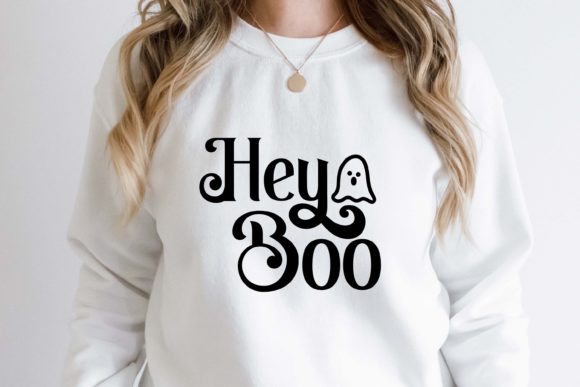
Hey Boo: A Designer's Take on This Halloween Embroidery File
As someone who spends most of their day staring at digitized hoops and troubleshooting thread breaks, I approach every new machine embroidery design with a mix of excitement and skepticism. The market is flooded with generic graphics, so finding a file that actually translates well from screen to fabric is a specific skill in itself. Recently, I pulled up the Hey Boo file to see if it holds up for real-world production or if it’s just another digital novelty. For those running a craft business or preparing holiday inventory, the difference between a good file and a great one often comes down to how it behaves under tension and light.
First Impressions: Mood and Visual Personality
The moment you open the digital embroidery file for Hey Boo, the vibe is immediately clear. It leans heavily into the playful side of the spooky season rather than the terrifying. The layout suggests a design built for quick recognition, which is crucial when you are creating items like custom apparel or tote bag designs that customers will glance at from across a room. The visual personality feels friendly and approachable, making it an excellent candidate for a wide range of products beyond just standard t-shirts.
When evaluating a graphic for commercial use, I look at the balance between negative space and filled areas. Hey Boo appears to have a solid structure that should prevent issues with stitch density during the actual run. The lines seem clean enough to avoid the "muddy" look that happens when too many thread colors compete in a small area. If you are planning to use this as a handmade product centerpiece, the aesthetic suggests it will age well, maintaining its charm even after several washes.
Real-World Application: From Sweatshirts to Tote Bags
To truly test the viability of this design, I imagined a specific scenario: a small shop owner preparing a batch of personalized gifts for the October rush. Let’s say the goal is to create a line of heavy cotton sweatshirts and canvas tote bags. In this context, Hey Boo shines. The scale of the text and any accompanying imagery seems robust enough to handle the texture of fleece without losing definition. Unlike delicate baby embroidery which requires fine detail, this design has the weight needed to stand out on thicker fabrics.
I also considered using it for an embroidered patch. Patches require high durability and distinct outlines because they are often sewn onto denim or jackets later. The graphic nature of Hey Boo suggests it would cut cleanly and stitch with precision, making it a strong contender for boutique branding or limited-edition merchandise. For an Etsy seller, having a design that works equally well on a flat surface like a pillow cover and a curved surface like a cap (with minor adjustments) is a massive time-saver. It allows you to diversify your catalog without needing entirely new assets for every product type.
Navigating Fabric Textures and Stitch Challenges
While the potential is there, no embroidery project is without its pitfalls. As a designer, I always advise caution when applying bold graphics to stretchy fabrics or very thin materials. If you attempt to put Hey Boo on a lightweight jersey tee without the proper backing, the pull from the fill stitch could distort the neckline or cause puckering around the edges. The key here is the stabilizer. You must match the stabilizer weight to the fabric thickness to ensure the finished product looks professional.
Another consideration is the hoop size. While the file includes formats like EPS, JPG, PNG, and SVG, these are primarily for previewing or printing. For actual stitching, you need to verify the dimensions against your machine’s hoop capacity. If the design is pushed to the absolute limit of a 4x4 inch hoop, you might find yourself fighting with registration marks or thread bunching in the corners. Always check the bounding box before you start. Additionally, if you plan to use this on dark fabrics, the contrast of your thread colors becomes critical. A white outline or shadow stitch might be necessary to make the design pop, adding complexity to the setup but significantly boosting the visual appeal.
Where Caution is Required
- Textured Fabrics: Avoid using dense satin stitch areas on highly textured knits where the needle might skip or the thread might not lay flat.
- Small Scale Items: Do not shrink the design too much for tiny accessories like keychains unless you have verified that the lettering remains legible.
- Curved Surfaces: When embroidering on caps, the curve can sometimes distort the bottom of the text. Test on a spare cap first.
- Frequent Washing: Ensure the thread tension is correct so that items like kitchen towels or aprons don’t fray over time.
Boosting Product Value and Customer Trust
In the world of handmade goods, perception is everything. A well-executed embroidery job signals quality. When a customer buys a personalized gift featuring the Hey Boo design, they are paying for the craftsmanship as much as the concept. If the stitching is loose, the colors are dull, or the fabric is warped, it reflects poorly on your brand consistency. Conversely, a crisp, clean application of this graphic elevates the perceived value of the item. It transforms a basic blank t-shirt into a statement piece worthy of a higher price point.
For the Etsy seller or small shop product creator, using a versatile file like this helps streamline operations. You can create printable mockups quickly to showcase the design on various backgrounds, giving buyers confidence in what they are purchasing. The ability to present the same design on a mug, a sweater, and a tote bag creates a cohesive collection feel. This visual consistency builds buyer engagement and trust, encouraging repeat purchases. Customers want to know that the final result will match the preview, and a reliable embroidery file is the foundation of that promise.
Practical Notes for Designers and Makers
Before committing to a full production run, I strongly recommend testing the design on scrap fabric first. This simple step can save hours of frustration and wasted thread. Check the stitch density to ensure the design isn’t too tight, which can tear delicate fabrics, or too loose, which leaves gaps. Review the running stitch details to confirm they aren't too fine for the thread weight you are using.
Also, remember to inspect the file specifications carefully. While the listing mentions included formats like SVG and PNG, these are often for viewing or laser cutting. Confirm that you have the correct vector data for your embroidery software. Test the design in black and white mockups to evaluate the shape without color bias, then compare light and dark fabric backgrounds to finalize your thread palette. Finally, always confirm licensing terms. If you intend to sell the finished items or offer them as part of a commercial embroidery service, ensure the license covers your specific business model. Don't assume; verify.
Ultimately, Hey Boo offers a fun, functional option for the holiday season. It fits naturally into the category of T-Shirt Designs and general Graphics, but its true value lies in its adaptability. Whether you are making a custom apron for a local cafe or a batch of holiday sweaters for your online store, the success of the project depends on your preparation. With the right stabilizer, careful hooping, and attention to thread contrast, this design can become a standout piece in your seasonal collection. It’s not just about the file; it’s about how you bring it to life.