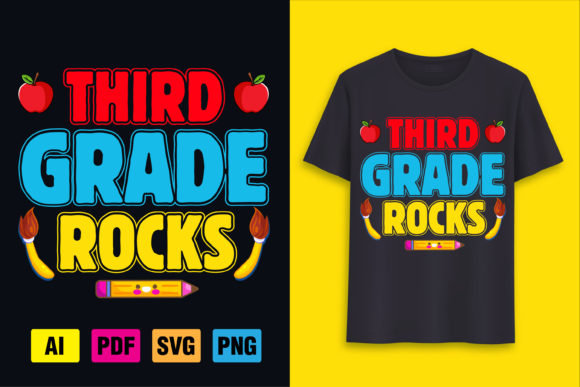
Third Grade Rocks: A Designer's Review for Real Projects
As a designer who has spent years navigating the intersection of digital art and physical stitching, I approach every new machine embroidery design with a critical eye. It is not enough for a graphic to look good on a screen; it must translate seamlessly into thread. Today, I am evaluating the Third Grade Rocks design. This piece promises to be a staple for teachers, parents, and school spirit enthusiasts, but does it hold up under the scrutiny of a professional embroidery hoop? Let’s dive into how this Graphics asset performs when we move from the pixel-perfect world of vector files to the textured reality of fabric.
First Impressions: Mood and Visual Weight
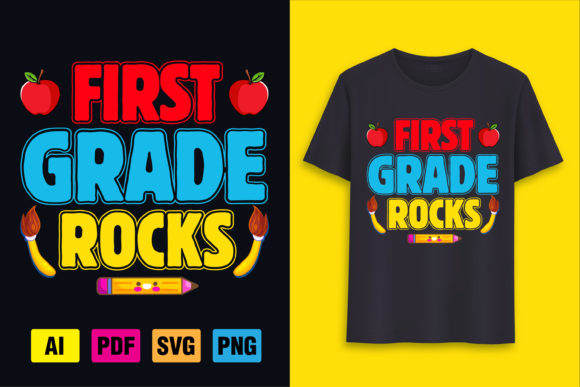
When I first opened the embroidery file for Third Grade Rocks, the immediate impression was one of bold confidence. The typography is chunky and playful, perfectly capturing the energetic vibe of third graders. In the realm of T-Shirt Designs, this kind of visual weight is essential. It suggests that the finished product will stand out even from a distance, which is crucial for items like classroom banners or teacher apparel worn in busy hallways.
The layout feels balanced, avoiding the common pitfall of overcrowding text. For an Etsy seller or a small shop owner looking to create a cohesive collection, this design offers a clean aesthetic that doesn't compete with other elements on a garment. The "rocks" motif adds a tactile dimension, suggesting areas where fill stitch can add depth without overwhelming the design. However, as someone who values precision, I immediately began mentally mapping out where the stitch density might become too high if scaled down improperly.
Real-World Application: From Screen to Stitch
To truly understand the value of Third Grade Rocks, I need to visualize it in a real-life scenario. Imagine preparing a custom embroidered tote bag for a teacher appreciation gift. Tote bags are often made of canvas, a sturdy fabric that holds stitches well but requires careful tension management. Placing this design on the front panel of a canvas bag would likely result in a crisp, durable statement piece. The bold lines of the text should translate beautifully into satin stitch borders, giving the letters a polished, professional finish.
Consider also the potential for sweatshirt embroidery. Third grade is a milestone year, and a personalized sweatshirt is a cherished keepsake. If you are producing these as a handmade product line, the design needs to withstand the pilling and stretching inherent to fleece materials. The thick lettering in Third Grade Rocks is forgiving here; unlike delicate scripts that can get lost in the nap of a sweatshirt, this design maintains its legibility. It works equally well on a flat chest placement or centered on the back, offering versatility for your custom apparel business.
For those creating personalized gifts like pillow covers or kitchen towels, the design’s simplicity is an asset. On a tea towel, the contrast between the bright thread colors and the white cotton creates a cheerful pop. The design assets provided allow for easy color customization, meaning you can match the school colors or a specific family palette without losing the integrity of the original artwork.
Navigating Challenges: Where Caution is Key
While Third Grade Rocks is robust, no design is immune to the challenges of poor execution. As a reviewer, I must highlight where this design could falter if not handled correctly. One major concern is scaling. If you attempt to shrink this design to fit a small cap or a tiny embroidered patch, the details may blur. The internal spaces of the letters need room to breathe. If the hoop size is too small, the machine might struggle to maintain consistent tension, leading to puckering or broken threads.
Fabric texture also plays a significant role. While the design excels on stable fabrics like cotton and canvas, using it on highly textured surfaces like ribbed knit or heavy denim requires a heavy-duty stabilizer. Without proper backing, the dense areas of the design could cause the fabric to warp. Similarly, if you are working with dark fabrics, the choice of thread colors becomes critical. You cannot simply rely on the default palette; you must ensure high contrast so the message remains readable. A light gray thread on black fabric would render the "Third Grade Rocks" slogan invisible, ruining the finished product.
Furthermore, consider the longevity of the item. Products that require frequent washing, such as aprons or reusable shopping bags, put stress on the stitches. Areas with high stitch density can sometimes trap moisture or detergent, leading to premature wear. It is wise to test the design on a scrap piece of the actual fabric first. Check the back of the stitching to ensure there are no loose loops or excessive pull-through, which can compromise the structural integrity of the garment over time.
Professional Notes for Designers and Makers
Before committing to a production run or listing this design in your shop, there are several practical steps you should take. First, always review the digital embroidery file specifications. Ensure that the resolution matches your machine's capabilities. Since the source material is a 300 DPI vector, it should scale well, but you must verify the final stitch count. High stitch counts can increase production time and cost, impacting your profit margins for commercial embroidery projects.
Secondly, conduct a thorough test run. Hoop a scrap of your intended fabric with the appropriate stabilizer and run the design at full speed. Inspect the result under good lighting. Look for any skipped stitches, especially in the corners of the letters or within the rock motifs. If the design includes any running stitch outlines, ensure they are tight enough to define the shape without being visible through the fill.
Finally, consider the licensing. If you plan to sell the physical goods—whether they are boutique branding items, holiday gifts, or small shop products—confirm that your license allows for commercial use. Many designers purchase files for personal use only, and selling items made with them can lead to legal issues. Always read the terms of service associated with the design assets you acquire.
Final Verdict: A Versatile Asset for Craft Businesses
In conclusion, Third Grade Rocks is a strong contender for any embroidery portfolio focused on education and family themes. Its bold aesthetic ensures high visibility, making it perfect for teacher t-shirts, class merchandise, and spirited home decor. The design strikes a balance between fun and professionalism, appealing to both children and adults.
However, its success ultimately depends on the skill of the operator. By paying attention to hoop size, fabric selection, and stabilizer usage, you can transform this digital graphic into a high-quality, tangible product. For the craft business owner, this design represents a reliable opportunity to engage customers looking for meaningful, customized items. Whether you are creating a single personalized gift or a bulk order for a school fundraiser, Third Grade Rocks delivers the visual impact needed to make a lasting impression.